It surprises many first-time investors: Japan places no nationality or residency restrictions on land ownership. A non-resident foreigner can hold freehold title to Japanese land on the same terms as a citizen — no special visa, no local partner, no expiry. The real question isn't whether you can buy. It's what you can do with what you buy.
The rural land paradox
Japan's countryside holds enormous inventory of inexpensive land — a consequence of demographics and urban migration. But much of the cheapest land is cheap for a reason: it sits in urbanization-control zones or otherwise fails the conditions for a building permit. You can own it; you often can't build on it. For decades that made such land a dead asset.
The trailer house unlock
Because a properly installed trailer house is a vehicle rather than a building, it can be placed on land where construction is restricted — turning "unbuildable" into "usable." That single fact re-prices a whole category of Japanese land for investors willing to operate:
- Glamping or holiday rental near coastlines, mountains and hot-spring country (lodging license required)
- A private base in Japan — a second home you own outright, with hotel-grade comfort, on land that cost less than a car
- Roadside commerce — cafés and small retail in high-traffic rural corridors
Two important exceptions: farmland requires a conversion permit that is hard to obtain in practice (check the land registry classification before you buy), and each municipality's building authority has the final say on vehicle-status installation. Both are pre-purchase checks, not post-purchase surprises — do them in that order.
A realistic acquisition path
1. Choose land with the end use in mind
Access for a towed 8.5-meter unit, utility availability, zoning category, and — for hospitality — the guest experience the location can command.
2. Verify before contract
Land classification (not farmland), transport route, municipal stance on trailer houses, and license feasibility if you plan to host guests. NESTERRA conducts site surveys covering the physical checks.
3. Close with professionals
A judicial scrivener handles title registration; non-residents file a routine after-the-fact report under the Foreign Exchange Act. Neither step threatens the purchase — they are process, not gatekeeping.
4. Deploy the asset
Factory-built and delivered, a unit can be operational within weeks of site preparation — with no property tax on the structure and a four-year depreciation schedule if operated as a business.
Sources & further reading
- Foreign ownership of Japanese real estate — overview: Akiya Japan guide
- Farmland conversion permits: Ministry of Agriculture, Forestry and Fisheries (Japanese)
- Hotel Business Act licensing: e-Gov (Japanese)
This article is general information as of September 2026, not investment, legal or tax advice. Land-use rules and their application vary by municipality; engage licensed Japanese professionals before purchasing.
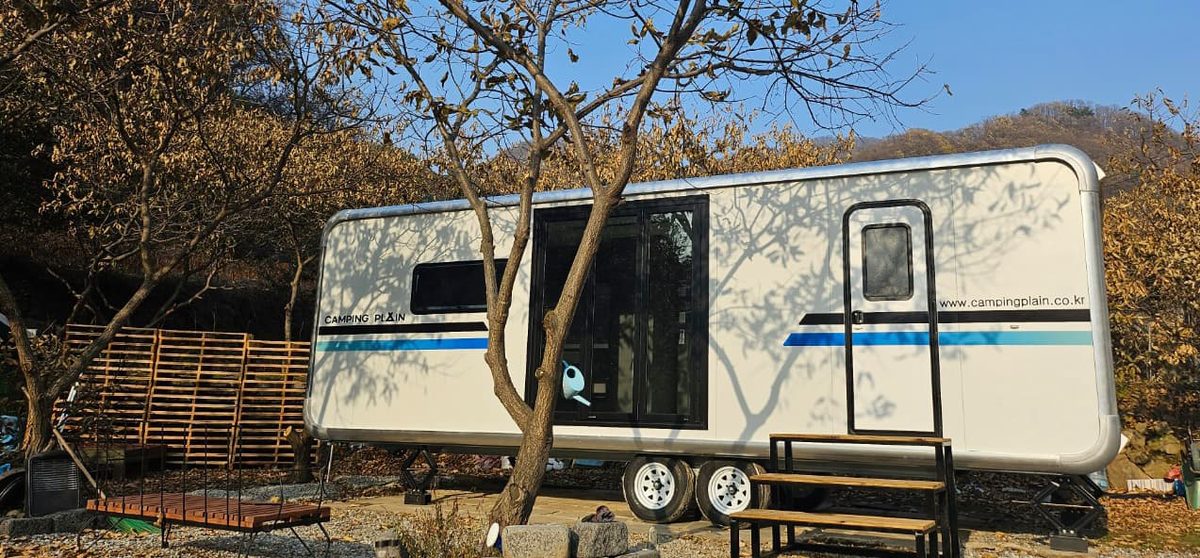
See the asset before you invest.
Spend a free night in our display unit at the Yamami Exhibition Site, Aichi.
We consult with international clients in English.